
Introduced by state Sen. Coleman A. Young II, D-Detroit, the bill is being called the “non-medical marijuana code.’’
Senate Bill 813 would regulate and tax marijuana, generating revenue for education and other public purposes.
The 23-page bill says use of marijuana should be legal “in the interest of allowing law enforcement to focus on violent and property crimes.’’
If approved, Michigan would join Colorado, Oregon, Washington, Alaska and the District of Columbia where recreational use of marijuana is legal. The bill has been referred to the Senate Judiciary Committee.
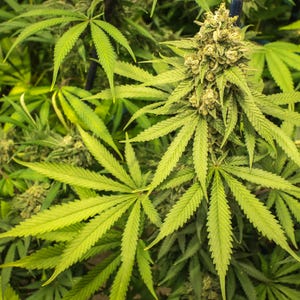
Under the measure, Michigan residents will be able to possess up to an ounce of marijuana and five marijuana plants. Non-residents would be limited to a half-ounce.
Marijuana growers would have to keep plants out of public view and “secure from unauthorized access.’’
The bill establishes an excise tax, including $50 per ounce of marijuana flowers and $15 per ounce for marijuana leaves. It requires growers to pay taxes to the State Department of Treasury on the 15th of each month.
Fifty percent of tax revenue would to go the state’s general fund, 30 percent is earmarked for education and the remainder would be split between the departments of Health and Human Services and Community Health.
Michigan is one of 23 states with laws legalizing marijuana use in some form. Michigan’s 2008 Medical Marijuana Act legalized the use of medical marijuana.
There are currently three efforts underway in Michigan to put legalization of recreational marijuana use on the November ballot.
The Michigan Cannabis Coalition has already raised more than $351,400 while the Michigan Comprehensive Cannabis Law Reform Committee has raised more than $610,000.


No comments:
Post a Comment